
Breast augmentation has evolved significantly over the years. Today’s patients have more choices not only in breast implants, but also in how those implants are placed and how much surrounding tissue is disrupted during surgery. One of the newer options is Preservé® by Motiva®, a tissue-preserving approach to breast augmentation designed to minimize disruption of the breast and chest while creating controlled space for implant placement.
Beverly Hills, board-certified plastic surgeon, Dr. Gerald Minniti performs a wide range of breast augmentation procedures, guided by the belief that breast surgery should be individualized to each patient’s anatomy, aesthetic goals, and lifestyle. Preservé offers meaningful advantages for appropriately selected women, while traditional breast augmentation techniques remain important options when anatomy or aesthetic goals call for a different approach.
As an official Preservé Breast Augmentation by Motiva Investigator and one of only 50 surgeons in the United States trained in the technique, Dr. Minniti has had the opportunity to evaluate this approach within the broader context of modern breast augmentation.
So, how does Preservé actually differ from traditional breast augmentation—and which approach may be right for you? The following comparison explores the differences and offers insights from Dr. Minniti on this evolving approach to breast augmentation.
What Is Preservé Breast Augmentation by Motiva?
Preservé by Motiva is an advanced breast augmentation technique developed around a simple concept: preserve as much of the patient’s natural anatomy as possible while creating the space necessary for an implant.
Rather than relying on extensive tissue dissection or detachment of the pectoral muscle, the Preservé technique uses specialized instrumentation to create a precisely controlled implant pocket while minimizing disruption to surrounding tissues.
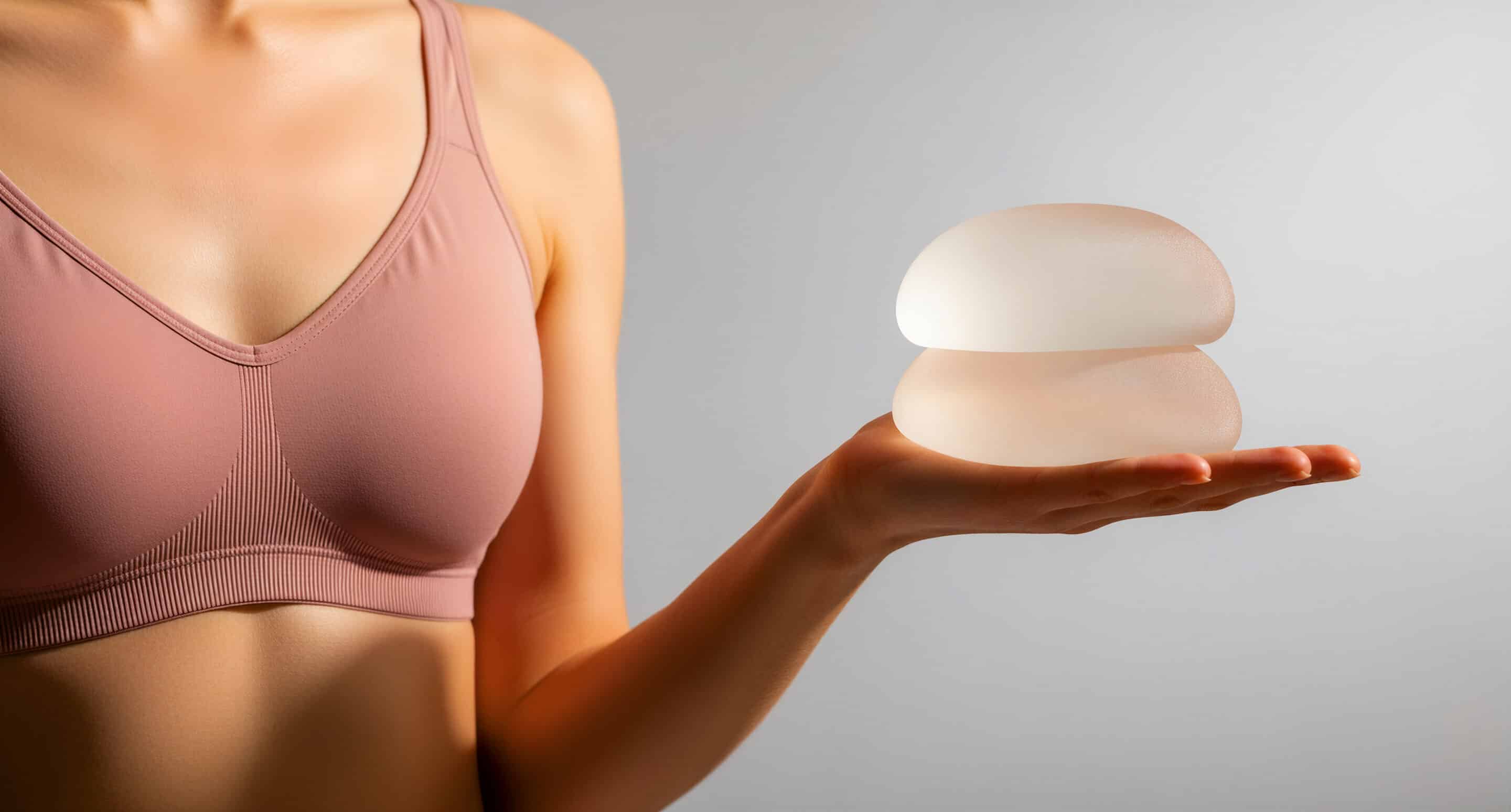
The procedure is performed with Motiva breast implants, which are designed to complement this approach with a soft, adaptable silicone gel and smooth implant surface. The result is still breast augmentation. What changes is how Dr. Minniti creates the implant pocket and what tissues are disturbed in the process.
How Is the Implant Pocket Created with Preservé?
One of the most distinctive aspects of Preservé is how the space for the breast implant is created. In traditional breast augmentation, the surgeon typically creates an implant pocket by surgically dissecting the tissues to make room for the implant. Preservé uses specialized instruments and controlled tissue expansion to create that space while minimizing unnecessary disruption of the breast’s natural anatomy.
The process begins through a small incision with a specialized instrument called the Motiva Channel Separator, which creates an access pathway into the appropriate tissue plane. An inflatable balloon is then introduced through this channel while deflated.
Once positioned, the balloon is carefully inflated during surgery, expanding within the tissue plane to create a controlled three-dimensional pocket for the selected implant. Rather than extensively cutting through the surrounding tissues, this process is designed to separate and expand the existing tissue while preserving more of the breast’s native structural anatomy.
The balloon is then deflated and removed. The Motiva implant is inserted into the newly created pocket using a specialized insertion sleeve designed to minimize handling of the implant.
The entire process takes place during the breast augmentation procedure. The balloon is not an implant, it does not remain in the breast, and this is not the gradual tissue-expansion process sometimes used in breast reconstruction.
The concept is relatively simple: create the precise space needed for the implant while disturbing as little surrounding anatomy as reasonably possible.
Preservé vs. Traditional Breast Augmentation at a Glance
| Preservé Breast Augmentation | Traditional Breast Augmentation |
|---|---|
| Tissue-preserving surgical approach | Pocket created using conventional surgical dissection |
| Designed to minimize tissue disruption | Degree of tissue disruption varies by technique |
| Preserves the pectoral muscle | Implant may be placed above or partially beneath the muscle |
| Smaller access incision may be possible | Incision length varies by implant and surgical approach |
| Designed for earlier functional recovery | Recovery depends significantly on implant placement and technique |
| Uses Motiva implants | Multiple implant types and manufacturers may be available |
| Requires appropriate anatomy and candidacy | Offers greater flexibility for a wider range of anatomical needs |
Neither column represents the universally “better” operation. The right technique is the one that safely creates the result you want based on the anatomy you already have.
How Does Preservé Minimize Tissue Disruption and Preserve the Chest Muscle?
One of the most meaningful differences between Preservé and traditional breast augmentation is how the implant pocket is created and how much of the breast’s natural anatomy is disrupted in the process.
Traditional breast augmentation requires surgical dissection to create space for the implant. Depending on the technique, the implant may be positioned above, beneath, or partially beneath the pectoralis major muscle. Submuscular and dual-plane approaches can be excellent choices for certain patients, but manipulating the muscle can contribute to postoperative tightness and discomfort while the chest heals.
Preservé is designed to create a precisely controlled implant pocket while minimizing disruption of the breast’s natural tissue planes and supporting structures. The pectoral muscle remains intact rather than being intentionally disrupted to accommodate the implant.
For active patients in particular, preserving the chest muscle can be appealing because it avoids surgical disruption of a muscle used extensively during exercise and upper-body movement.
It also avoids the mechanism responsible for animation deformity, in which contraction of the pectoral muscle causes visible movement or distortion of an implant positioned beneath it.
The tissue-preserving philosophy extends beyond the muscle. By minimizing unnecessary dissection, Preservé is designed to maintain more of the breast’s native anatomy and natural supporting structures while creating the space necessary for implant placement.
This does not mean Preservé prevents the breasts from changing or descending over time. Breast position continues to be influenced by skin elasticity, breast and implant weight, genetics, pregnancy, weight fluctuations, aging, and gravity.
The objective is to achieve breast enhancement while preserving as much of the patient’s existing anatomy as appropriate.
Is the Incision Smaller With Preservé?
One of the advantages of the Preservé technique is that the specialized approach can allow implant placement through a relatively small access incision in appropriately selected patients.
However, incision size should never be the sole reason to choose a breast augmentation technique.
The priority is creating a safe, controlled implant pocket and placing the appropriate implant accurately. Your anatomy, implant selection, and surgical requirements all matter more than chasing the shortest possible scar. Regardless of technique, careful incision placement and meticulous closure are important parts of making breast augmentation scars as inconspicuous as possible as they mature.
How Is Implant Placement Different?
Traditional breast augmentation provides several potential implant-placement options.
Depending on a patient’s anatomy, an implant may be placed:
- Above the pectoral muscle
- Beneath the pectoral muscle
- Using a dual-plane approach that combines aspects of both
Each has advantages and tradeoffs. Preservé takes a muscle-sparing approach and creates the implant pocket without detaching the pectoral muscle. The technique is designed to maintain natural tissue relationships while providing controlled implant positioning.
The important point is that implant placement isn’t a decision that should be made in isolation. Dr. Minniti evaluates breast tissue thickness, skin quality, chest dimensions, existing breast shape, implant characteristics, activity level, and the patient’s desired result before determining the appropriate approach.
What About Nipple and Breast Sensation?
Changes in nipple or breast sensation are possible after any breast augmentation because surgery occurs around tissues containing sensory nerves. A tissue-preserving technique is naturally appealing because one of its fundamental goals is minimizing unnecessary tissue disruption.
However, no particular breast augmentation technique guarantees unchanged sensation.
Every patient’s anatomy is different, and temporary or, less commonly, persistent sensory changes can occur after breast surgery. The best approach is careful surgical planning and technique with respect for the anatomy we’re working around.
Is Recovery Faster With Preservé Breast Augmentation?
For many patients, earlier comfort and functional recovery are important advantages of minimizing tissue and muscle disruption. Traditional submuscular augmentation requires the chest muscle and surrounding tissues to recover from surgical manipulation. Patients may experience pressure, tightness, soreness, and temporary limitations in upper-body movement as those tissues heal.
Because Preservé avoids detaching the pectoral muscle and is designed to minimize tissue trauma, patients may experience less early chest tightness and a more comfortable return to everyday movement.
However, faster recovery does not mean no recovery. Patients still need to protect healing tissues, follow postoperative instructions, and wait for appropriate clearance before returning to strenuous exercise and other activities. Your anticipated recovery will be discussed during consultation, and detailed instructions will be provided after surgery so you know what you can—and cannot—do during each phase.
Is Preservé Better for Active Women?
It can be a particularly attractive option for women whose lifestyle involves frequent exercise or significant use of the chest muscles. Because Preservé leaves the pectoral muscle intact, the procedure avoids surgically disrupting a muscle that is heavily involved in activities ranging from strength training and yoga to swimming and many competitive sports.
The absence of submuscular implant placement also eliminates implant movement caused specifically by contraction of the pectoral muscle. That said, being athletic does not automatically make someone a Preservé candidate. Tissue characteristics and breast anatomy still determine whether the technique can safely produce the desired result.
Who Is a Good Candidate for Preservé by Motiva?
Preservé is not designed to replace every breast augmentation technique.
It may be considered for patients who:
- Want natural-looking breast enhancement
- Prefer a tissue- and muscle-preserving approach
- Have anatomy suitable for Preservé implant placement
- Lead an active lifestyle
- Want to minimize disruption of the pectoral muscle
- Are interested in Motiva breast implant technology
- Have realistic expectations about what augmentation can achieve
Some patients may need a different approach because of existing breast anatomy, tissue quality, previous surgery, degree of sagging, or the amount and type of augmentation they want.
For example, if significant breast sagging is present, an implant alone—Preservé or otherwise—may not address the problem. A breast lift or another surgical plan may be more appropriate.
Is Traditional Breast Augmentation Still a Good Option? Absolutely.
Newer does not automatically mean better for everybody. Traditional breast augmentation provides tremendous flexibility in implant selection, pocket creation, and placement. For certain anatomies and aesthetic goals, that flexibility may offer important advantages.
Preservé adds another sophisticated tool to breast augmentation—it doesn’t make every technique that came before it obsolete. This is particularly important to understand when comparing breast augmentation procedures online. A procedure can sound ideal on paper and still not be the right operation for your anatomy.
How Is the Right Augmentation Procedure Determined?
It starts with a discussion about your desired result and a personal consultation that evaluates:
- Your existing breast size and shape
- Breast tissue thickness
- Skin quality and elasticity
- Chest dimensions
- Breast symmetry
- Nipple position
- Previous breast surgery, if applicable
- Your activity level
- Desired implant size and breast fullness
- Your priorities regarding recovery and muscle preservation
Preservé and Motiva implant technology are designed to support soft, adaptable contours and natural movement, but Preservé is not automatically the best choice simply because a patient wants a natural-looking result. Beautiful, natural breast augmentation can also be achieved with traditional techniques.
The appropriate approach depends on the patient’s anatomy, tissue characteristics, implant selection, and the specific result she hopes to achieve. We’ll also discuss what you want your breasts to look and feel like after surgery. If your anatomy is well suited to Preservé and its advantages align with your priorities, it may be an excellent option.
If another approach offers better control or a better opportunity to achieve your goals, Dr. Minniti will explain why and discuss the alternatives available to you.
FAQs About Preservé vs. Traditional Breast Augmentation
Is Preservé breast augmentation less invasive?
Preservé is designed to minimize tissue disruption and preserve the pectoral muscle, but it is still a surgical breast augmentation.
Can Preservé prevent animation deformity?
Animation deformity is associated with movement of a breast implant when the pectoral muscle contracts over a submuscular implant. Because Preservé does not place the implant beneath a surgically manipulated pectoral muscle, it avoids that particular mechanism of implant distortion.
Will Preservé give me more natural-looking breasts?
Preservé is designed to support natural contours and movement, but a natural-looking breast augmentation result depends on much more than surgical technique. Implant selection, your existing anatomy, tissue coverage, proportions, and surgical planning are all important.
Is Preservé recovery easier than traditional breast augmentation?
Minimizing tissue trauma and preserving the pectoral muscle can improve early comfort and functional recovery for appropriately selected patients. Recovery still varies by patient, and postoperative restrictions remain important while the breast tissues heal.
Can I switch to Preservé if I already have breast implants?
Previous breast augmentation changes the anatomy and existing implant pocket, so revision surgery requires a different evaluation from primary augmentation. If you already have implants and are considering breast implant revision, Dr. Minniti can assess your existing implants, surrounding tissues, and goals and explain which revision options may be appropriate.
Meet Dr. Gerald Minniti
Dr. Gerald Minniti is a board-certified Beverly Hills plastic surgeon specializing in breast augmentation, breast lift surgery, breast implant revision, and advanced breast implant procedures. As an official Preservé Breast Augmentation by Motiva Investigator and one of only 50 surgeons in the United States trained in this innovative technique, Dr. Minniti is recognized for delivering natural-looking results using the latest advancements in breast surgery. He proudly serves patients from Beverly Hills, Los Angeles, across Southern California, and globally.
Explore Preservé and other Breast Augmentation Options in Beverly Hills
Preservé by Motiva represents an exciting development in breast augmentation because it asks an important surgical question: Can we achieve the enhancement a patient wants while preserving more of her natural anatomy? For the right patient, the answer may be yes.
If you’re considering breast augmentation in Beverly Hills or Los Angeles, Dr. Minniti and his team invite you to schedule a consultation for Preservé breast augmentation. We can compare your options and determine whether Preservé by Motiva or another breast augmentation approach is best suited to you.